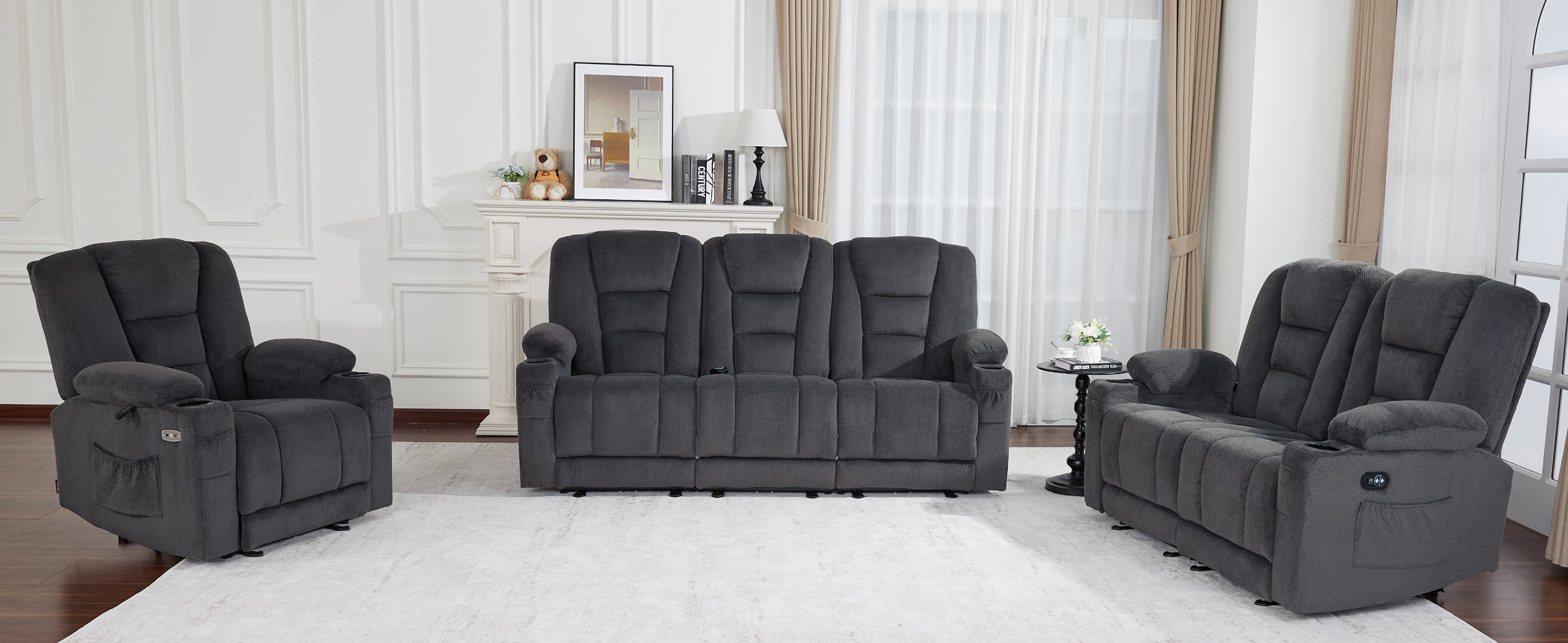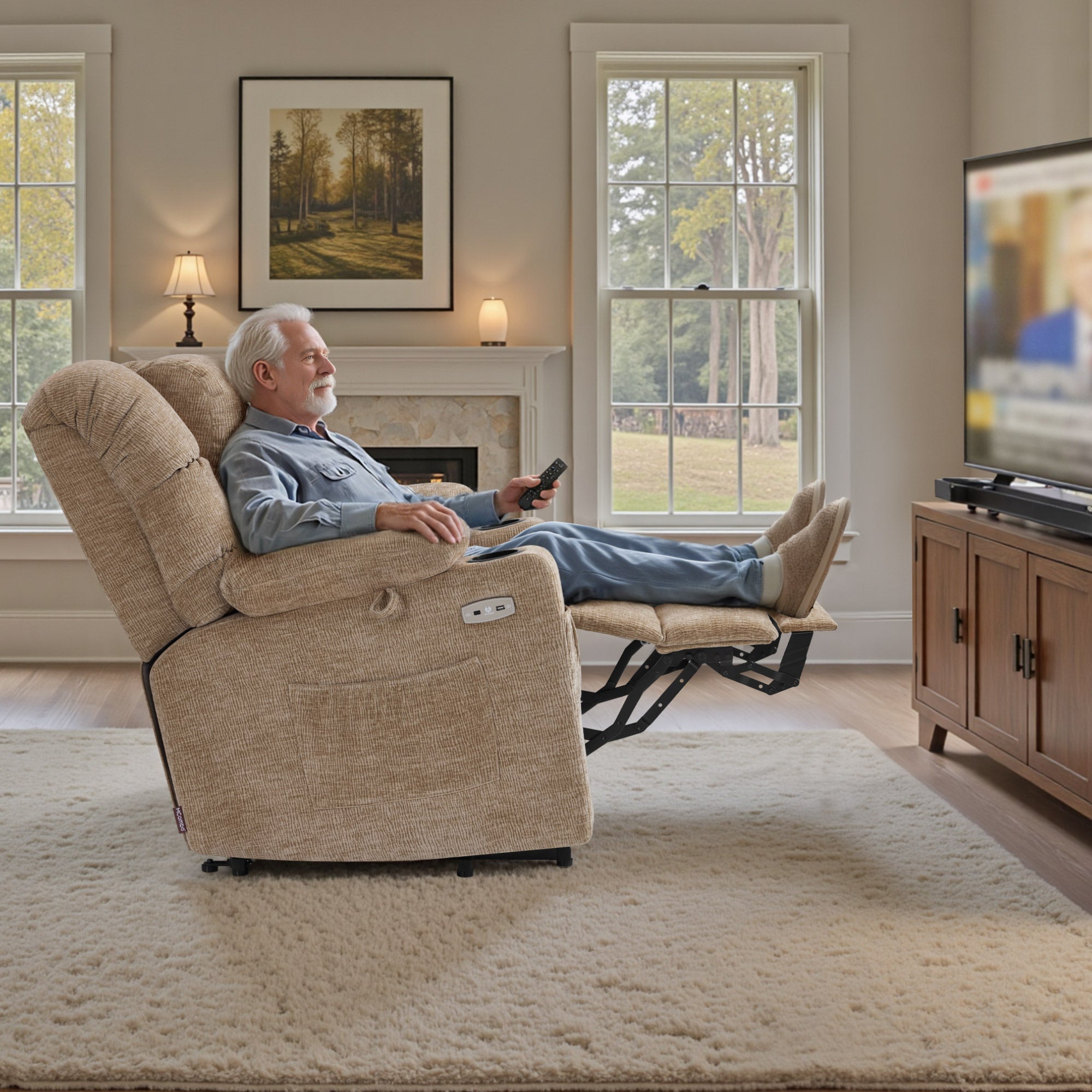
The comprehensive sofa material check: Durability, cleaning and care of microfiber, fabric and chenille fabric
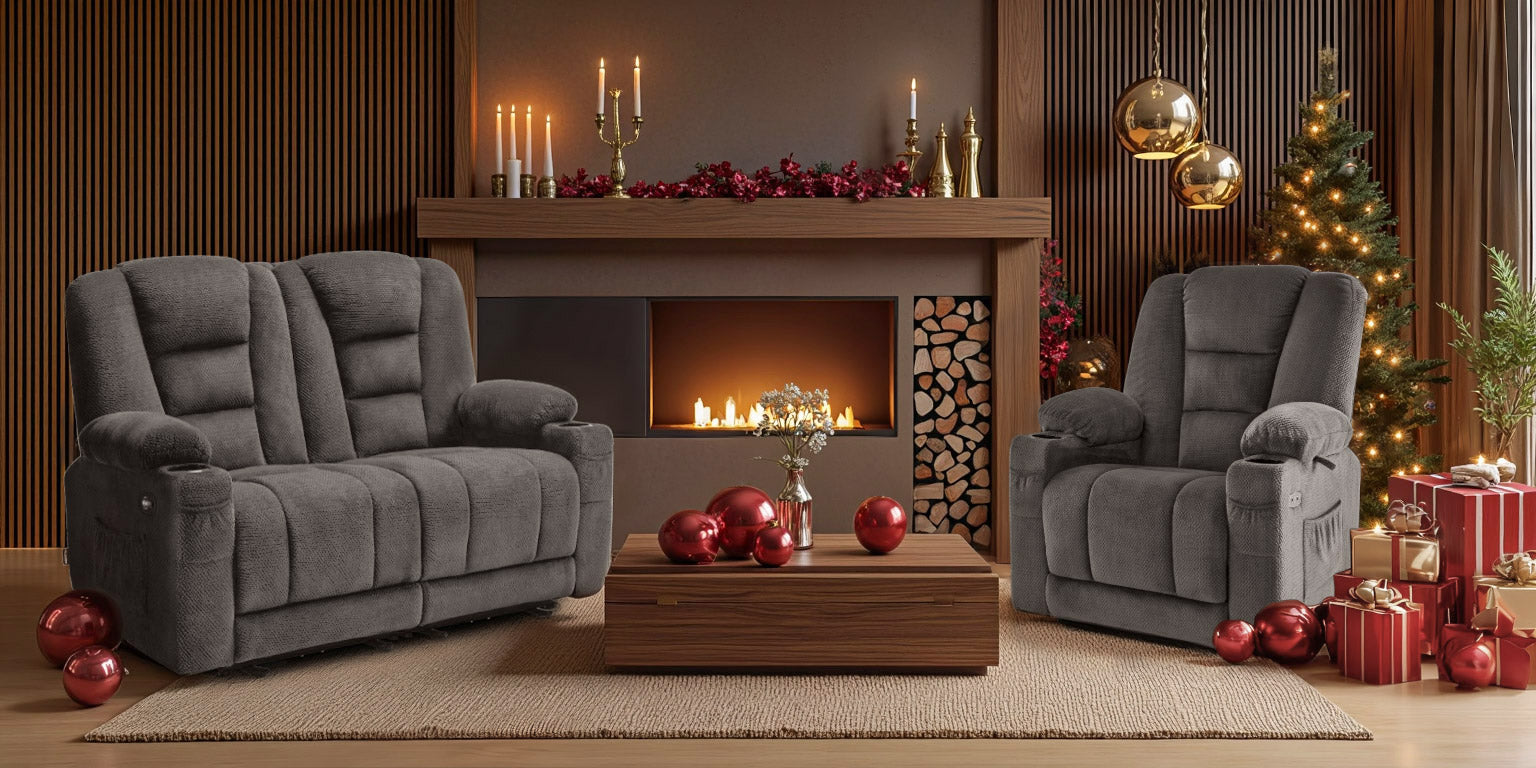
The big material check: Durability, cleaning and care of microfiber, fabric and chenille fabric
Choosing the right sofa upholstery is far more than just a matter of look and feel – it's a long-term investment in the durability and maintenance of your furniture. The right material choice is especially crucial for households with children, pets, or frequent use.
This guide examines three common fabric types in detail: microfiber, general fabric upholstery, and chenille. Learn how to keep your sofa looking like new for years to come.
I. Microfiber: The master of durability and ease of care
Durability (durability)
High abrasion resistance: Microfiber, due to its tight structure, is extremely resistant to abrasion. It hardly pills and is ideal for high-traffic households or homes with pets (the fine fiber structure makes it difficult for pet claws to get caught).
Insensitive: The material is relatively insensitive to light and temperature fluctuations, which minimizes the risk of fading.
Breathable: Despite its synthetic fiber base, good microfiber offers comfortable seating.
Cleaning and care
The biggest advantage of microfiber lies in its ease of care and its slightly water-repellent properties:
Liquid stains: Liquids (e.g., coffee) don't penetrate immediately. This gives you time to gently dab the liquid with a clean cloth. Avoid rubbing, as this will only spread the stain within the fabric.
Dry dirt: For dry dirt (e.g., soil, dust), use a vacuum cleaner with an upholstery attachment and a soft brush.
For stubborn stains: Use mild soapy water (or special microfiber cleaners). Apply the foam to a soft cloth and gently dab the stain from the outside in. Then wipe away any residue with a damp, clean cloth.
Regular maintenance: Weekly light vacuuming prevents dust particles from penetrating deep into the fibers.

II. General fabric coverings and chenille fabric
A. General material references (fabric)
This umbrella term encompasses a wide range of materials, from cotton blends to synthetic fibers.
Durability: The Martindale rating is crucial here. For daily use, the fabric should withstand at least 20,000 to 25,000 abrasion cycles. Generally, the denser the weave and the thicker the fiber, the more durable the cover will be.
Cleaning: Most fabric upholstery requires professional dry cleaning or treatment with mild foam cleaners. Take extra care to avoid watermarks or stains from excess moisture.
B. Chenille fabric (caterpillar webbing)
Chenille fabric is distinguished by its special manufacturing process, which gives it a soft, caterpillar-like (chenille is French for caterpillar) surface and a unique feel.
Durability (durability)
Feel: Extremely soft, warm and comfortable, often with a slight sheen.
Durability challenge: Due to its plush structure, chenille is more prone to snagging or damage from sharp objects or animal claws than smooth fabrics. The pile fibers can flatten under heavy friction.
Pressure sores: Prolonged sitting in one fixed position can lead to temporary pressure sores.
Cleaning and care
Caring for chenille requires special attention to maintain its soft texture:
Vacuuming: Use only low suction power and a soft upholstery attachment. Move the attachment gently in the direction of the pile. Avoid hard brushes or strong suction, as this can damage the fibers.
Stain removal: Treat stains immediately. Use a mild detergent foam, not too much liquid. Dab the stain with a soft cloth; never rub.
Restoring the pile: After cleaning and drying, you can gently brush the pile with a soft brush or light steam in the direction of the grain to restore its plushness.

III. General care tips for sofa covers (regardless of material)
Regardless of the material you choose, these general care tips will significantly contribute to extending the lifespan of your sofa:
- UV protection: All fabrics can fade due to UV radiation. Avoid placing your sofa in direct sunlight if possible, or use curtains or blinds for protection during the most intense hours of sunshine.
- Professional cleaning: A professional deep cleaning every 12 to 24 months is recommended. This is especially important for fabric and chenille upholstery, as it removes deeply embedded dirt that a household vacuum cleaner cannot reach.
- Avoid heat: Keep your sofa a safe distance from radiators or ovens. Excessive heat can cause the upholstery and filling to dry out, harden, or become brittle.
- Pre-test: Before using a new cleaning product, always perform a small test on an inconspicuous area of the sofa (e.g., on the underside or back) to ensure that it does not cause discoloration or damage.
If you have specific requirements for the different sofa covers, use the keyword search in our shop. This way you can quickly and easily find the right sofas and armchairs in your preferred material.